Critical Things You Need to Know About RCM in UAE VAT
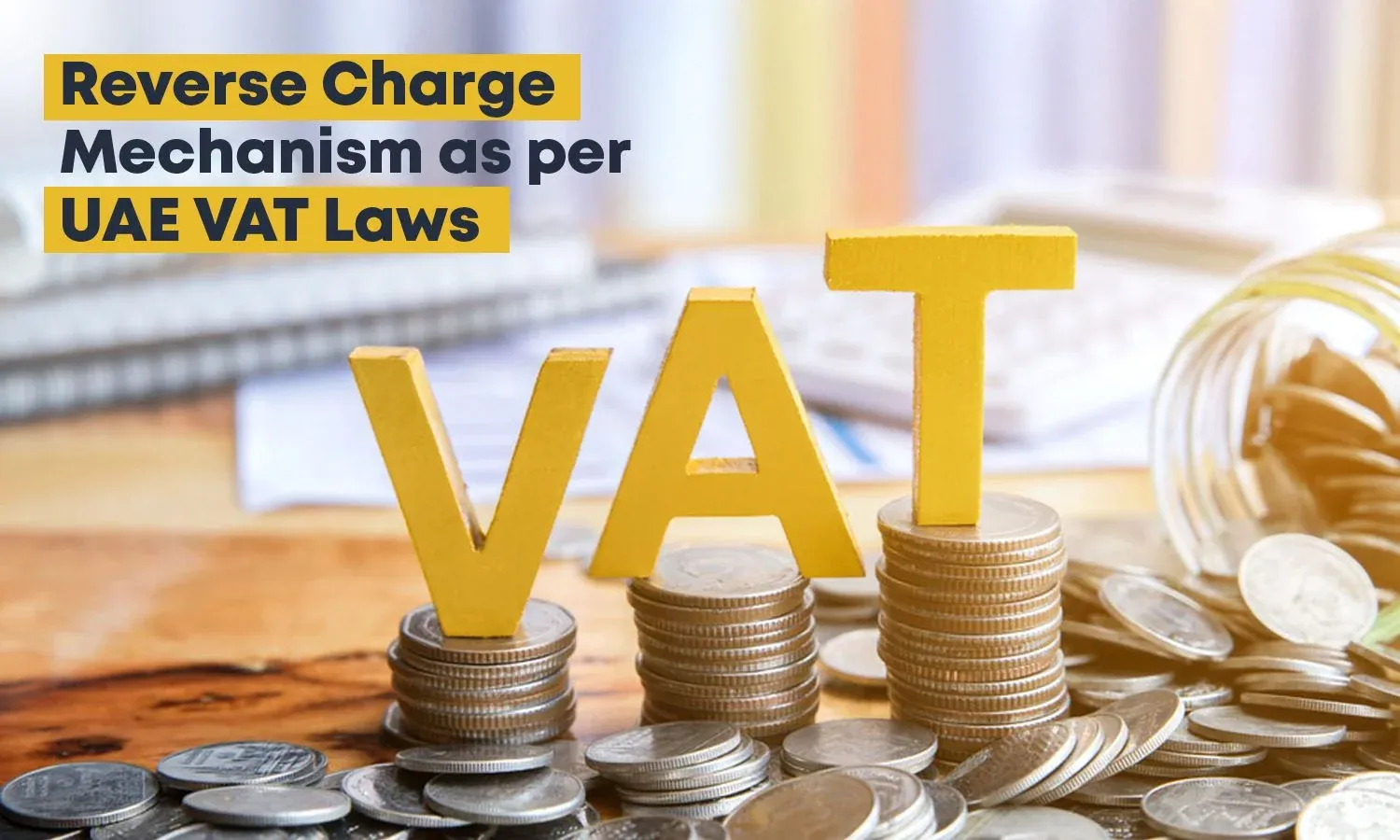


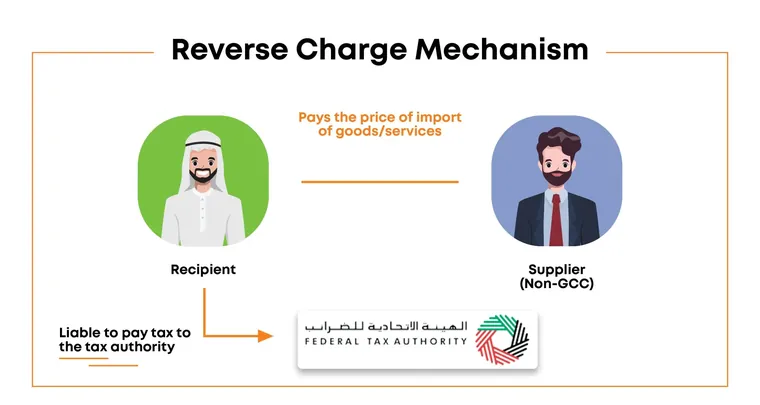
The UAE VAT Reverse Charge Mechanism (RCM) is a configuration that hoists the burden of VAT payment from the sellers and transfers it to the purchasers in certain cases. This is mainly in the situation of cross-border transactions and selected supplies. Are you a business owner in the UAE struggling to understand the ins and outs of VAT compliance? The cognition of RCM that is essential for your business functions and one that respects the regulations is very important.
Below, you will find a comprehensive guide that covers key points of the UAE VAT Reverse Charge Mechanism that you need to be familiar with:
- The legal framework and regulatory requirements
- Practical implementation steps
- Documentation and compliance obligations
- The impact on business cash flow
- Special considerations for designated zones
Whether you are dealing with foreign suppliers, precious metals, or are in the free zones, this guide will assist you in mastering RCM implementation. The guide will cover each of the elements in detail that are important to ensure that your business is compliant while also optimizing tax efficiency.
Key Takeaways
- Reverse Charge Mechanism is the modality whereby the responsibility to settle the payment of the value-added tax is transferred from the supplier to the buyer, thereby only a few of the UAE businesses that registered under VAT, etc. are significantly affected since they engage in cross-border transactions and carry out designated supplies.
- According to UAE VAT law, businesses need to correctly record and report their output and input VAT for reverse charge transactions, and thus they need to carry out account management and account reconciliation properly to meet all compliance requirements.
- The process is a concrete example and is about trading beyond borders and trade zones, high-value goods, and certain goods where the specifics of what the commodity was need to be taken into account.
- Introducing the RCM is one of the most effective ways that the government can use for VAT mobilization, fraud control, and facilitating the free flow of funds for those firms in the challenging event of dealing with foreign traders.
- The companies must abide by the rules of the Federal Tax Authority in terms of submitting the VAT return, documentation, filing, etc., and the executive regulations of the UAE's VAT.
Key Takeaways
01 Reverse Charge Mechanism is the modality whereby the responsibility to settle the payment of the value-added tax is transferred from the supplier to the buyer, thereby only a few of the UAE businesses that registered under VAT, etc. are significantly affected since they engage in cross-border transactions and carry out designated supplies. 02 According to UAE VAT law, businesses need to correctly record and report their output and input VAT for reverse charge transactions, and thus they need to carry out account management and account reconciliation properly to meet all compliance requirements. 03 The process is a concrete example and is about trading beyond borders and trade zones, high-value goods, and certain goods where the specifics of what the commodity was need to be taken into account. 04 Introducing the RCM is one of the most effective ways that the government can use for VAT mobilization, fraud control, and facilitating the free flow of funds for those firms in the challenging event of dealing with foreign traders. 05 The companies must abide by the rules of the Federal Tax Authority in terms of submitting the VAT return, documentation, filing, etc., and the executive regulations of the UAE’s VAT.When Does RCM Apply?
The Reverse Charge Mechanism (RCM) in UAE VAT applies to specific scenarios where the responsibility for VAT payment shifts from the supplier to the recipient. Understanding when RCM applies is crucial for businesses operating in the UAE.
Qualifying Transactions
RCM primarily comes into play during cross-border transactions where the supplier is not established in the UAE. When a taxable supply of goods or services is made by a non-resident supplier to a VAT-registered business in the UAE, the recipient becomes responsible for accounting and paying VAT. For instance, if a UAE company imports consulting services from a foreign firm, the UAE company must account for VAT under RCM. This mechanism ensures proper VAT collection while simplifying compliance for foreign suppliers.
Special Categories of Goods
Certain specific supply categories automatically fall under RCM regardless of the supplier's location. These include:
- Crude oil and natural gas
- Pure precious metals (gold, silver, platinum)
- Unworked precious stones
- Waste materials and scrap
- Healthcare and education services
For these taxable supply categories, RCM applies even in domestic transactions between UAE-registered businesses. This helps prevent tax evasion and ensures better control over high-value transactions. The mechanism also applies to supplies between businesses in designated zones when specific conditions are met. This includes scenarios where goods are intended for use outside the designated zone.
Business Responsibilities Under RCM
Under the UAE VAT system, both suppliers and recipients have distinct obligations when it comes to implementing the Reverse Charge Mechanism. Understanding these responsibilities is crucial for maintaining vat compliance and avoiding penalties
Supplier Obligations
Suppliers must verify the VAT registration status of their customers before proceeding with transactions under RCM. They need to issue proper tax invoices clearly stating that the responsibility of vat payment lies with the recipient. These invoices should include specific annotations indicating the application of RCM.
Suppliers are also required to maintain detailed records of all RCM transactions, including:
- Customer VAT registration details
- Transaction documentation
- Proof of supply verification
- Copies of tax invoices
Recipient Obligations
Recipients bear the primary burden of VAT accountability under RCM. They must ensure proper vat registration before engaging in RCM transactions. Their key responsibilities include:
- Calculating and accounting for VAT on received supplies
- Self-declaring VAT in their tax returns
- Maintaining comprehensive transaction records
- Processing both output and input tax entries
- Ensuring timely payment of VAT to tax authorities
- Verifying supplier credentials and transaction validity
Recipients must also implement robust internal controls to track RCM transactions effectively. This includes setting up proper accounting systems and maintaining documentation that demonstrates compliance with UAE VAT regulations.
Conclusion
Comprehending and rolling out the UAE VAT Reverse Charge Mechanism is very important from a tax perspective and also for the prosperity of the business. The thorough commandment of these 10 vital components, starting from statutory regulations to practical realization, enables enterprises to move the RCM hurdles with a view to compliance. Therefore, it will be from now on recognized that right documents, synchronous reporting, and accurate records are quite crucial parts of the success in implementing RCM. The use of the latest information from the Federal Tax Authority in your work is, therefore, necessary in case you are dealing with international transactions, specific supplies or you are functioning within the designated zones. At the same time, take a proactive role in verifying if your VAT processes are in line with your current requirements, and if not, be fast in updating the related accounting systems besides training the team on the RCM rules. Going this way, you will be able to follow these strategies and practices and therefore comply with VAT rules, at the same time, reduce the number of risks, and always ensure smooth business operations within the UAE tax regime. Observing the principles of the legislation means you should always keep abreast of the latest RCM developments and use them to increase the tax efficiency of your business.
Sources & definitions
Official sources
Terms used in this article
- VATValue Added Tax
- A 5% consumption tax applied to most goods and services in the UAE. Businesses above the mandatory threshold must register with the Federal Tax Authority and file returns.
Reviewed by the Vigor Accounting & Taxation team on 21 September 2025. Guidance is general and does not replace advice on your own circumstances.
People also ask
- Why VAT Training Matters More Than Ever?Answered in: Build Tax Confidence Through Expert VAT Training Across the
- Why Businesses Are Investing in VAT Training UAE Programs?Answered in: Why VAT Training Has Become Essential for UAE Businesses
- Why Businesses Are Seeking FTA Reconsideration Fujairah Support?Answered in: Understanding the FTA Reconsideration Process in the UAE
- Why Businesses Are Seeking FTA Reconsideration Sharjah Support?Answered in: Why More UAE Businesses Are Challenging FTA Penalties
- Why Businesses Are Seeking FTA Reconsideration UAE Support?Answered in: What Businesses Should Know Before Filing an FTA
Worth reading
 VAT & TaxWhat is Reverse Charge Mechanism (RCM) in UAE VAT: A Comprehensive GuideSmoothly filing your VAT returns like clockwork when suddenly your supplier mentions "reverse charge" that stops you from your tracks.Read the guide18 min read
More in VAT & Tax
See all → Al Ain · FujairahVAT & Tax5 min
Strengthen Your VAT Knowledge: Professional Training Programs
Understanding Value Added Tax (VAT) has become an essential part of running a successful business in the UAE. Ras Al Khaimah · SharjahVAT & Tax5 min
Build Tax Confidence Through Expert VAT Training Across the UAE
As the UAE continues to strengthen its tax framework, businesses and professionals are increasingly recognizing the importance of understanding Value Added… Abu Dhabi · DubaiVAT & Tax5 min
Why VAT Training Has Become Essential for UAE Businesses |
The UAE’s tax environment has changed significantly since the introduction of Value Added Tax .Free consultation
Transform Your Vision into Reality. Book Your Free Consultation!
Don't wait, schedule your free consultation today and take the first step towards transforming your vision into reality!
- FTA ApprovedTax agency
- Within 24 hoursExpert reply
- Business BayDubai · Sharjah

75 professionals in Business Bay. You speak to the team that does the work.